What LENS neurofeedback is, and who it’s for.
LENS stands for Low Energy Neurofeedback System — passive, brief, and with nothing to practice between visits.
Nashville & Murfreesboro · Offered here since 2016

What LENS is.
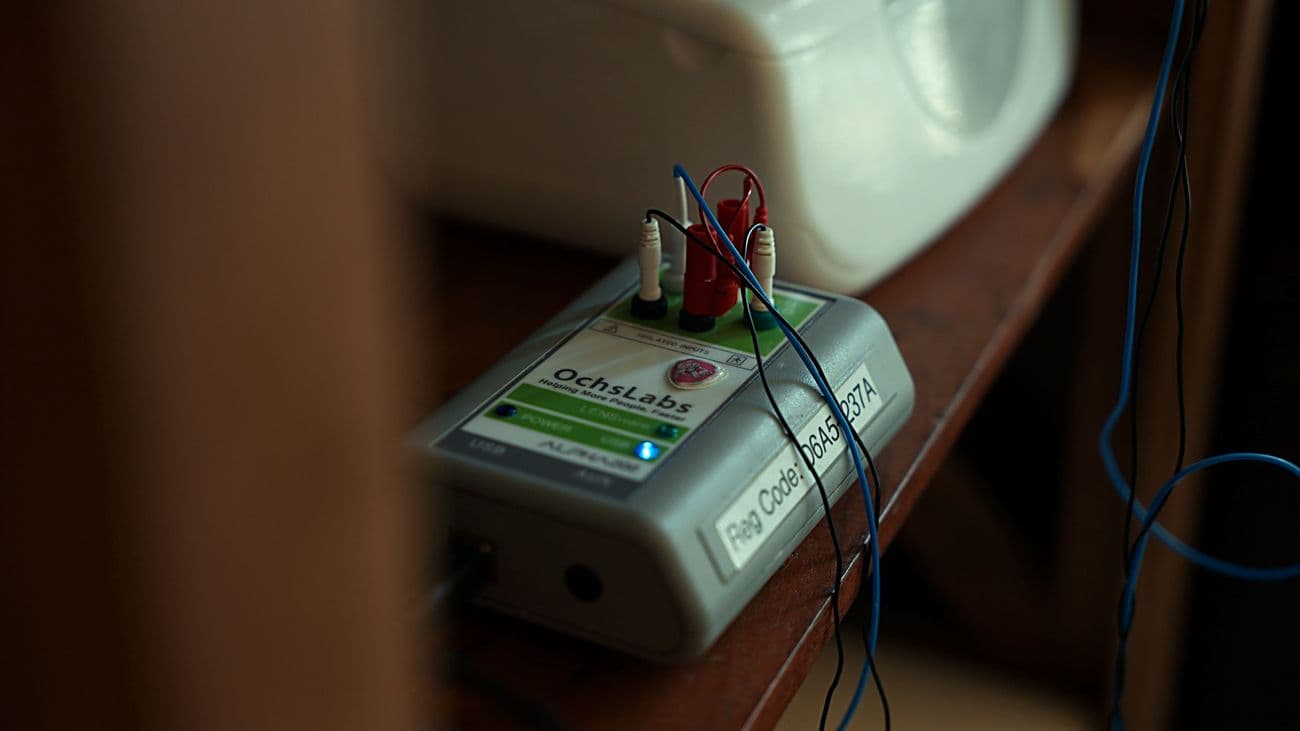
The name is literal. Small sensors sit on the scalp and read the brain’s electrical activity at that spot. Based on what it reads, the system returns a brief feedback signal — far weaker than the signal from the phone in your pocket, and lasting a fraction of a second. That is the entire exchange.
The signal carries no instruction. What follows is your own nervous system responding to information about itself, which is why there is nothing to concentrate on, nothing to watch, and nothing to get right. Most people, including young children, feel nothing at all.
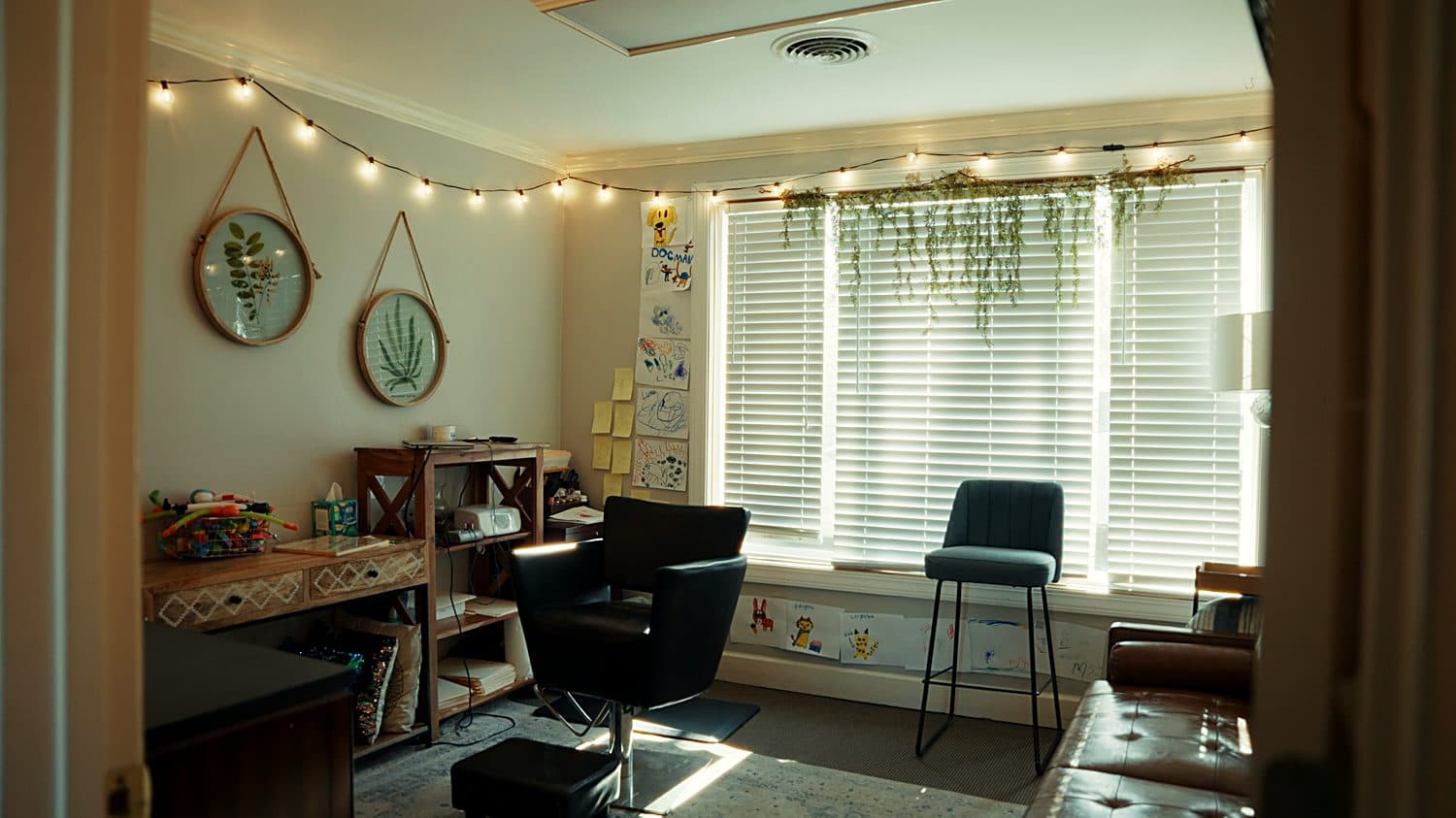
A session is short. Regular sessions run about 30 minutes in a comfortable chair. Many clients read or simply rest.
Passive feedback, not active training
The distinction that matters most in this category is between active training and passive feedback. LENS is passive.
It is not a screen-based training program to master, not a set of exercises, and not a skill you build session over session. You are not asked to concentrate, perform, or practice anything between visits — there is nothing to get right, and nothing to keep up with at home.
What that changes, practically: a session is short, a child does not have to sit still and succeed at something, and nobody leaves with homework.
We don’t publish comparisons of how other approaches run in practice. That varies by practice and by practitioner, and it’s a fair question to put to whoever you’re considering. What we can tell you plainly is what happens here.
Is LENS therapy, or medical treatment?
What we offer is neurofeedback: small sensors read the brain’s electrical activity and return a brief, very low-energy feedback signal, with nothing to perform. LENS is offered as a wellness service, not medical treatment. It doesn’t diagnose or treat medical or psychiatric conditions, and it isn’t a substitute for care from your doctor or therapist.
If you’re already seeing someone, please keep seeing them. LENS is routinely used alongside other care, and we’re glad to coordinate with providers you already trust. We never advise on medication.
Safety, children, and what a session involves are the questions people usually ask next.
The reasons people come in.
People describe what’s in front of them, not a diagnosis — and no diagnosis is needed to start. Focus and attention bring many people here; so do anxiety, sleep, and emotional regulation.
Focus & ADHD
- Struggling to stay on task — at work or at school
- Losing track mid-task, mid-sentence, mid-plan
Anxiety & stress
- Thoughts that won't quiet down — especially at night
- Feeling constantly on edge, braced for something
Sleep
- A mind that won't shut off at night
- Waking exhausted no matter how long you slept
Emotional regulation
- A short fuse — and a long recovery
- Struggling with transitions
Brain fog & memory
- Thinking that feels slow or cloudy
- Losing words mid-sentence
Stress & resilience
- Functioning, but close to burnout
- Rest that doesn't restore
Children & school
- A bright kid who can't show what they know
- Morning battles and homework standoffs
Trauma-related stress
- Staying vigilant in rooms where nothing is wrong
- Startling easily, settling slowly
Post-concussion symptoms
- The fog that lifts and returns
- Sleep that never fully recovered
What a course of LENS looks like.
A phone call, free
Tell us what’s going on — what you’ve tried, and what you’re hoping changes. Nothing is booked on that call unless you want it to be.
Your first visit — The Harmonized Brain Map
Plan for about 60 minutes. It’s $150, and includes the full conversation, a 21-point recording of brain activity, your map explained point by point, and a written plan you keep.
Regular sessions
They run about 30 minutes, at $125. You sit comfortably; there is nothing to practice in between.
How many, and for how long
A full course is 12 sessions, then maintenance, and children’s courses are often shorter. That’s the recommended course rather than a promise — how many sessions anyone needs varies, and we review it with you at every visit.
Then it winds down
From there: weekly sessions taper to monthly for three months, then quarterly or twice a year. Maintenance sessions are $125, the same as any regular session, and they aren’t part of the 12-session package.
Paying for it
A 12-session package is $1,300 — $200 less than paying per session. The Brain Map is separate from the package — it’s required before regular sessions begin, and it doesn’t count toward the 12. We don’t bill insurance. Harmonized is self-pay. We accept HSA and FSA, and we can provide a superbill if you want to submit for out-of-network reimbursement.
What clients report.
“Our seven-year-old struggled for years to self-regulate. We came in VERY skeptical. Four weeks in we saw nothing and were ready to give up — the very next week, everything lifted. The rage episodes were gone. He was communicating better, relating to his siblings better. Our family was at peace.”
“Today was my 12th session and my brain is back. The biggest thing is that I'm no longer overstimulated by everything. My ability to multitask is back and I don't have to write everything down. My brain fog is gone.”
“I had so many issues with brain fog, focus, and fatigue — working with my practitioner helped me feel like myself again. If you have any hesitations, let my story encourage you. Take the leap.”
Individual experiences vary.
Certified through the company that created LENS.
Every Harmonized practitioner is certified through OchsLabs, the company that created LENS, then certified in-house over three months before seeing clients on their own. Every session we’ve delivered has shaped how we train.

LENS neurofeedback in Middle Tennessee.
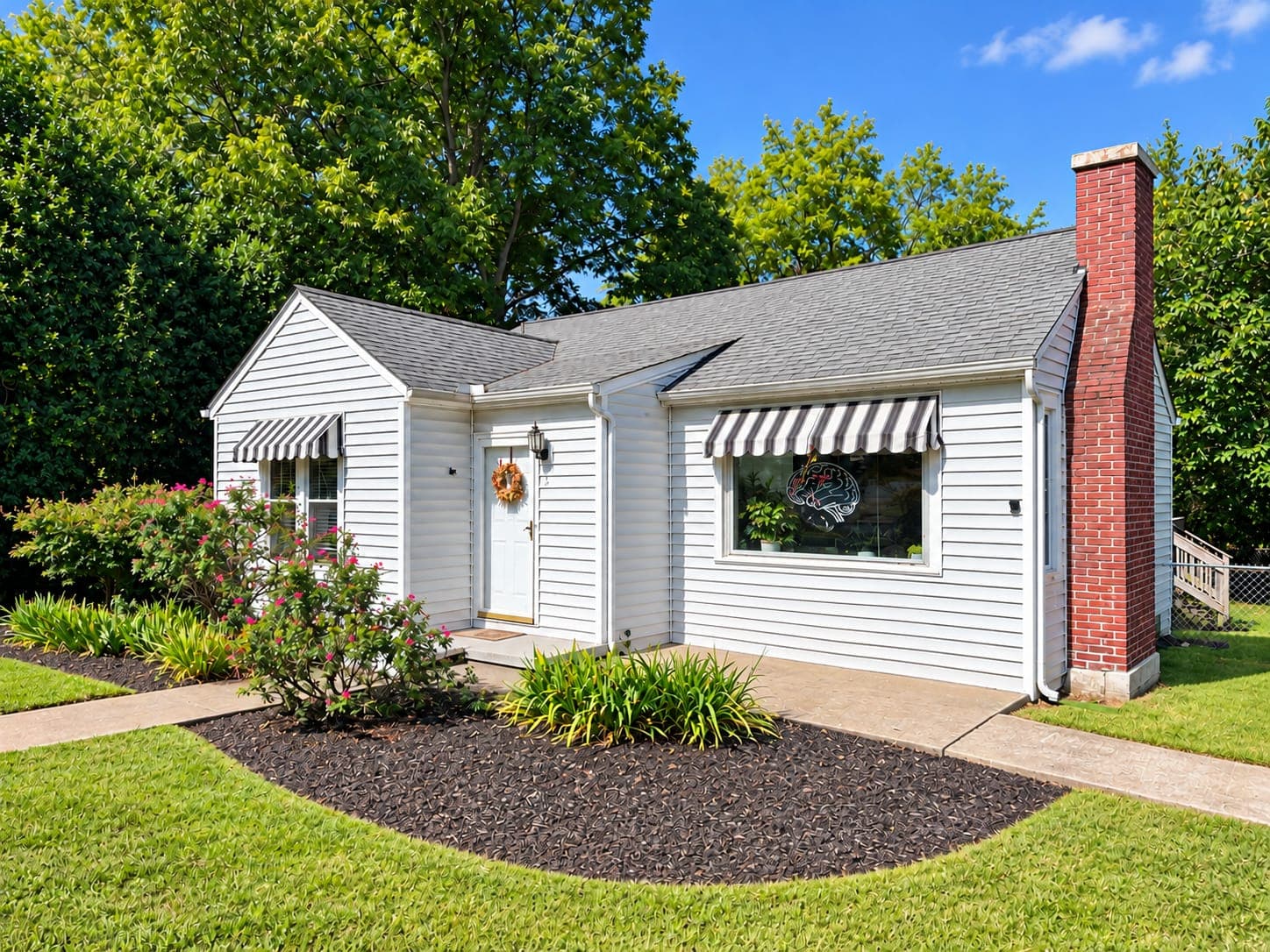
Two open centers, both running the same care model and the same training.
The best way to find out is a conversation.
How much LENS helps varies from person to person, and it doesn’t replace anything you’re already doing. The call is the place to ask whether it fits your situation.
If we don’t think LENS is right for you, we’ll tell you on the phone — before you ever book or pay for anything.
The call is free · No referral needed · HSA & FSA accepted