LENS vs. traditional neurofeedback: an honest comparison
Read about neurofeedback for ten minutes and you’ll meet two descriptions that barely sound like the same thing. One is a video game you play with your brain. The other is a comfortable chair where almost nothing seems to happen. Both are neurofeedback. Here’s the difference, and how to tell which one fits you.
Same starting point, different next step
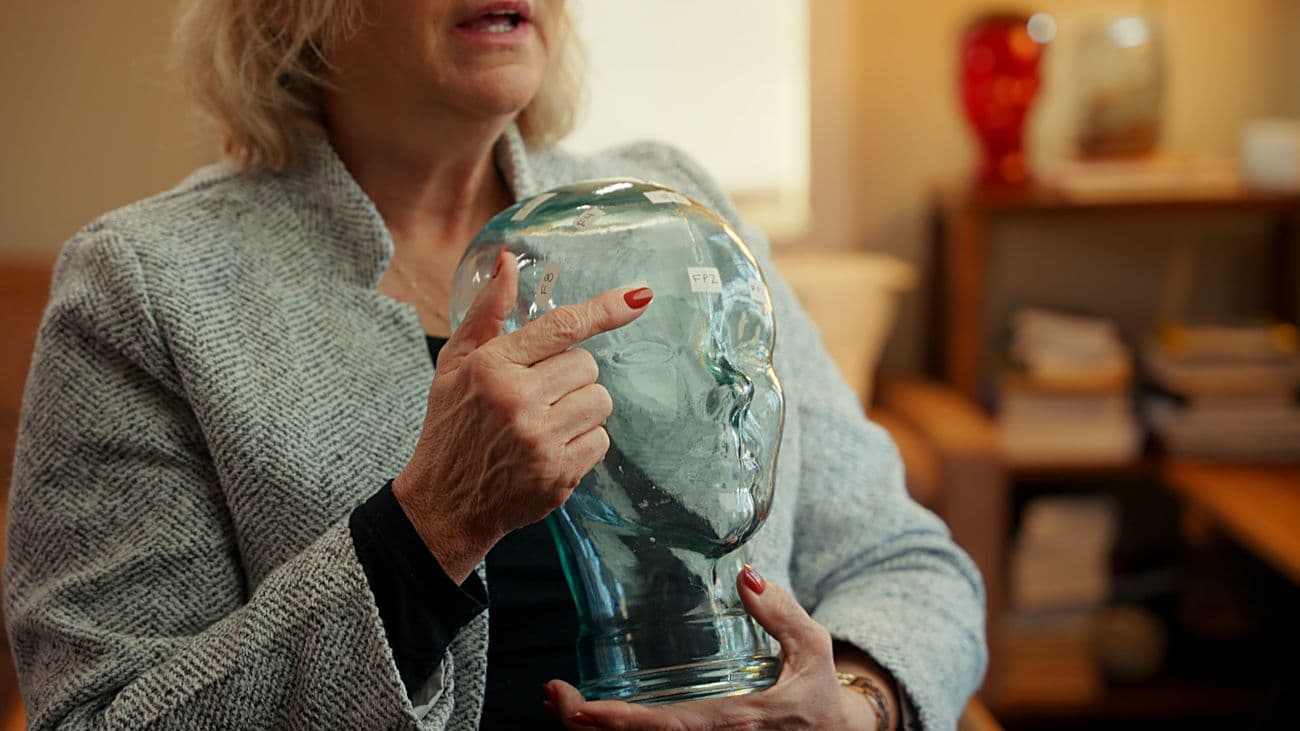
Every kind of neurofeedback starts the same way: small sensors on the scalp read the brain’s electrical activity. Nothing goes in at that stage — the system is listening. What happens next is where the two approaches part, and it’s the part that decides what a session asks of you.
Traditional neurofeedback: active training
Traditional neurofeedback is a training method. You watch a screen — a game, an animation, sometimes a film — that responds to your brain activity. When your brainwaves move the way the program is looking for, you’re rewarded: the picture brightens, the game moves forward, the sound keeps playing. Repeated over many rounds, the idea is that your brain learns to produce that pattern more often.
That makes it active. You sit still, watch and engage, session after session; it’s a skill built by practice. How it’s run — the programs, the session length, how many visits — differs from one provider to the next, and those are fair questions to put to anyone you’re considering. We don’t publish comparisons of how other practices work. What we can tell you plainly is what happens here.
LENS: passive feedback, nothing to perform
LENS — the Low Energy Neurofeedback System — is passive. The sensors read the brain’s electrical activity at a spot, and the system answers with a brief feedback signal, far weaker than the signal from the phone in your pocket, lasting a fraction of a second. The signal carries no instruction. What follows is your own nervous system responding to information about itself.
So there’s no screen to watch, no game to win and nothing to concentrate on or get right. Most people, including young children, feel nothing at all. A regular session runs about 30 minutes in a comfortable chair, and many clients read or simply rest.
One approach asks you to learn something. The other asks you to sit down.
Who tends to suit which
If you like an active role — and a game on a screen holds your attention — training-based neurofeedback can suit you. Some people enjoy seeing their own effort show up in real time.
LENS tends to suit the people for whom effort is the problem. A child who can’t sit still and succeed at something on demand. An adult too depleted to take on one more task. Anyone who’s tired of being told to try harder. Nothing in a LENS session depends on how well you do, and nobody leaves with homework.
The time it takes, here
Your first visit is The Harmonized Brain Map: about 60 minutes, with a full conversation, a baseline recording of brain activity and a written plan you keep. It’s a recording, not a test you can fail. After that, regular sessions are about 30 minutes each. A full course is 12 sessions, then maintenance. That’s the recommended course rather than a promise — how many sessions anyone needs varies, and we review it with you at every visit.
Between visits there’s nothing to practice and nothing to keep up with at home.
What a first visit at Harmonized looks like
You sit down with a practitioner and talk through what’s actually going on — sleep, focus, mood, the shape of your week. We record a baseline of your brain activity, walk you through what we see in plain language, and you leave with a written plan. Every question gets answered before you decide anything.
Where to read more.
LENS is a wellness service. It works alongside — never in place of — your doctor, therapist, or school supports.
Not sure which suits you? Ask on the free call.
Tell us what’s going on and what you’ve already tried. We’ll answer honestly and tell you plainly whether LENS is a fit — on the phone, before you book anything.
If we don’t think LENS is right for you, we’ll tell you on the phone — before you ever book or pay for anything.
The call is free · No referral needed · HSA & FSA accepted