When the nerves before a show stop working for you
Twenty minutes to downbeat. You’ve played this room, or rooms like it, more times than you can count, and the nerves used to be part of the job — a lift that showed up on time, sharpened you, and left with the first song. Lately they arrive earlier, stay longer and take more out of you. Nashville is a music town, musicians are among the people we see most, and steadier nerves before a show is one of the first things they ask about.
The nerves were never the problem
Most working players don’t want the nerves gone. A certain charge before a show is useful. It’s what makes a set you could play in your sleep feel like it matters tonight.
What changes is the cost. How early it starts — at soundcheck now, or on the drive in. Whether it lifts once you’re playing or follows you through the set. And how long the night takes to leave your body afterwards. Those are the questions worth asking, because “why am I nervous?” has an obvious answer: you care, and people are watching. “Why does the same show take more out of me than it did three years ago?” is a different question, and a far more useful one.
The show didn’t get harder. What you bring to meet it got smaller.
What changed is usually the load, not the gig
Rising to a moment and coming back down after it are two different jobs, and both draw on the same capacity. That capacity isn’t a fixed trait. It depletes and recovers, and it varies within the same person across a week — which is why one show feels like old times and the next one, same set list, same room, doesn’t.
A working musician’s calendar might as well be designed to drain it. Late load-outs, short nights, meals at odd hours, long drives, a session or a day job the next morning, and a recovery window that keeps getting borrowed against. None of that is a character flaw. It’s the load. And the nerves are where it shows first, because the show is the hardest hour of the day.
What tends to help
Protect the days between dates, not just the hour before the show. Sleep, food and unbroken downtime are the largest single lever most people have, and on the road they’re the first things traded away. A few weeks of honest attention there tells you what’s left underneath.
Put the pre-show routine outside your head. Same order, same timing, decided in the morning rather than negotiated at the side of the stage. Something that runs without your attention beats something that needs it, and the last hour before a show is when attention is scarcest.
Lower the demand before it fails rather than after. If soundcheck went sideways, the last twenty minutes are not the time to fix everything. Pick the one thing that matters for the first song and let the rest wait.
And if something prescribed is already part of your show-day routine, keep it there. That stays between you and whoever prescribed it — we never advise on medication. If the change in you has been fast or marked, start with your doctor, because the same picture can come from causes a doctor can test for.
If it isn’t only about shows
Some people notice this first on stage and then realize it’s there on an ordinary Tuesday too, with nothing on the calendar. That’s a different conversation, with its own page. A charge that arrives with the show and a body that stays on alert through a quiet week are not one problem in different clothes. If the quiet weeks are the hard part, start there instead — the link is at the foot of this page.
Where LENS fits
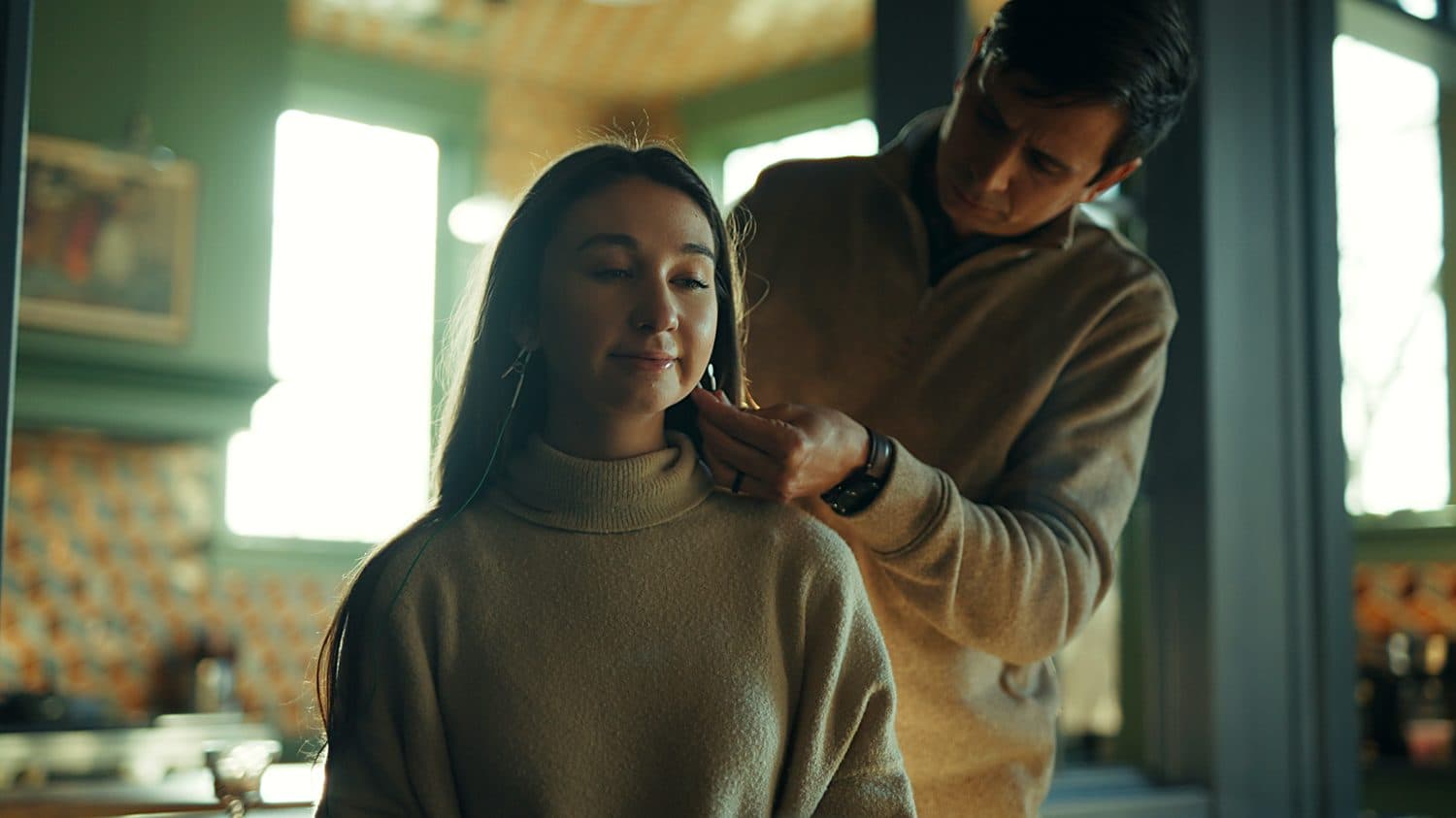
A LENS session asks nothing of you, which is a strange fit for people whose whole job is to perform — and a deliberate one. Small sensors sit on the scalp, the system returns a brief, very low-energy feedback signal, and there’s nothing to perform and nothing to practice between visits. Most people feel nothing at all.
Regular sessions run about 30 minutes in a comfortable chair — brief enough to fit around a rehearsal or a session — and many clients read or simply rest. Your first visit is the Brain Map: a recording of brain activity that your plan is built from, not a test you can fail. After that, every visit opens with a check-in on the specifics you named: how the last show went, how long it took to come down, how the days between dates are landing.
Where this goes next.
LENS is a wellness service. It works alongside — never in place of — your doctor, therapist, or school supports.
Tell us what show night feels like now. We’ll be straight with you.
Describe the gap between how shows used to go and how they go now. We’ll listen, answer honestly, and say plainly if LENS isn’t the right fit — before you book anything.
If we don’t think LENS is right for you, we’ll tell you on the phone — before you ever book or pay for anything.
The call is free · No referral needed · HSA & FSA accepted