Homework battles: what's really happening in a stuck brain
Your child is bright. You know it, their teacher knows it — and yet a worksheet that should take twenty minutes just consumed the whole evening and everyone's patience. Here's what's often happening underneath, and why “try harder” tends to make it worse.
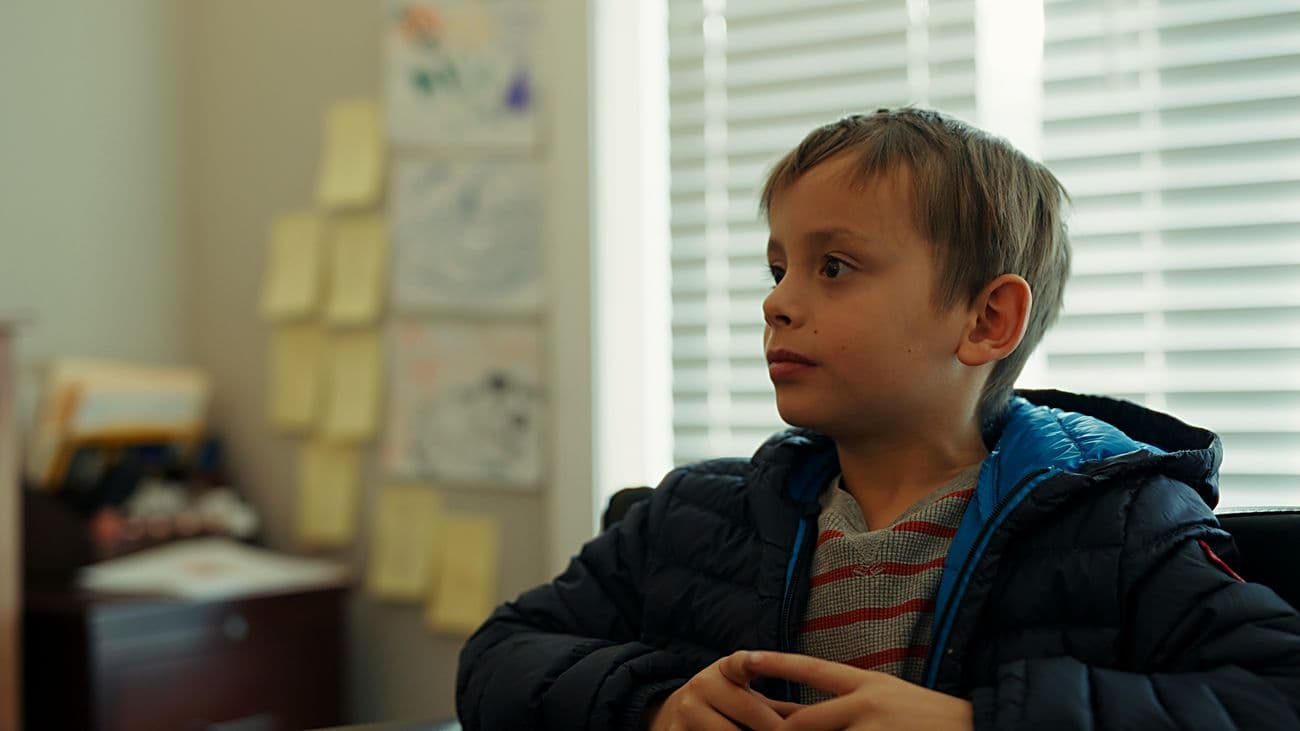
It usually isn't a motivation problem
Start with the fact you already have, because it is the most useful one in the room: your child can do this. You have watched them do it. Some evenings the worksheet takes fifteen minutes and nobody cries. That evening isn’t the proof that the other evenings are a choice — it’s the thing that has to be explained.
The pattern parents describe to us is narrow and consistent. Struggling to stay on task. Overwhelmed by anything with several steps in it. Losing track mid-task, mid-sentence, mid-plan. And procrastinating hardest on the things the child genuinely cares about. That last one is the tell, because not caring doesn’t look like this. Not caring looks like shrugging. What’s happening across the kitchen table looks a great deal more like distress.
What runs short on the hard evenings isn’t willingness. It’s the capacity to hold a plan in mind, keep the steps in order, and come back to the work after each interruption — while the work itself is boring. Those jobs fail before effort does, and they fail quietly enough that what you see is a bright child staring at a page.
A brain stuck in high alert can't also be a brain that plans, sequences, and follows through. Those systems take turns.
It’s also why the evening escalates so reliably. A request repeated more firmly is more input, and more input is what a system near its limit handles worst. The volume goes up, what’s available goes down, and a twenty-minute worksheet becomes the whole night. Nobody in that kitchen is doing anything wrong. The effort is just aimed at the part that isn’t the problem.
What tends to help
Put the structure outside the child. Anything that depends on them remembering to use it is competing for the resource that has already run out. A visible list beats a remembered one. The same sequence every night beats a decision made fresh at seven o’clock. An alarm beats an intention.
Lower the demand before it fails rather than after. A request postponed by fifteen minutes often succeeds; the same request pressed through a rising state usually costs the next hour, and the argument that follows is rarely about the worksheet.
Use fewer words in the difficult moment. Explanation is input too, and a child at the edge of what they’ve got can’t process an explanation of why they should be able to do this. Offering one there tends to buy the opposite of what it’s for.
And treat sleep, food and unbroken recovery time as the intervention rather than the background. They are unglamorous and they are the largest lever most families have. Some of this picture is also medical — sleep problems, iron, thyroid, mood and anxiety all produce evenings like these, and they’re found by testing rather than by inference. If nobody has looked, that’s the thing worth doing first. We can’t do it, and neither can an article.
Where LENS fits
A LENS session is small sensors, a very low-energy feedback signal, and nothing asked of the person in the chair. There’s nothing a child has to get right: no sitting perfectly still, no concentrating, no being corrected. Kids read, draw, or just be kids while it runs, and a parent stays for the whole thing. It belongs after the paragraphs above rather than instead of them.
What we track is the part you actually care about. Every visit opens with a structured check-in on focus, follow-through and how the week really went — homework, mornings, the everyday specifics — and the plan follows that rather than a template. Sessions run about 30 minutes. Clients commonly report sleeping more easily, feeling steadier, or thinking more clearly over a series of visits; how much changes varies from person to person, which is why we ask at every visit instead of predicting.
If the evenings above sound like yours, these two pages go further.
LENS is a wellness service. It works alongside — never in place of — your doctor, therapist, or school supports.
Wondering whether this describes your child? Ask us.
A free phone call with a practitioner — honest answers, no pressure, and a plain “not a fit” if that’s the truth.
If we don’t think LENS is right for you, we’ll tell you on the phone — before you ever book or pay for anything.
The call is free · No referral needed · HSA & FSA accepted